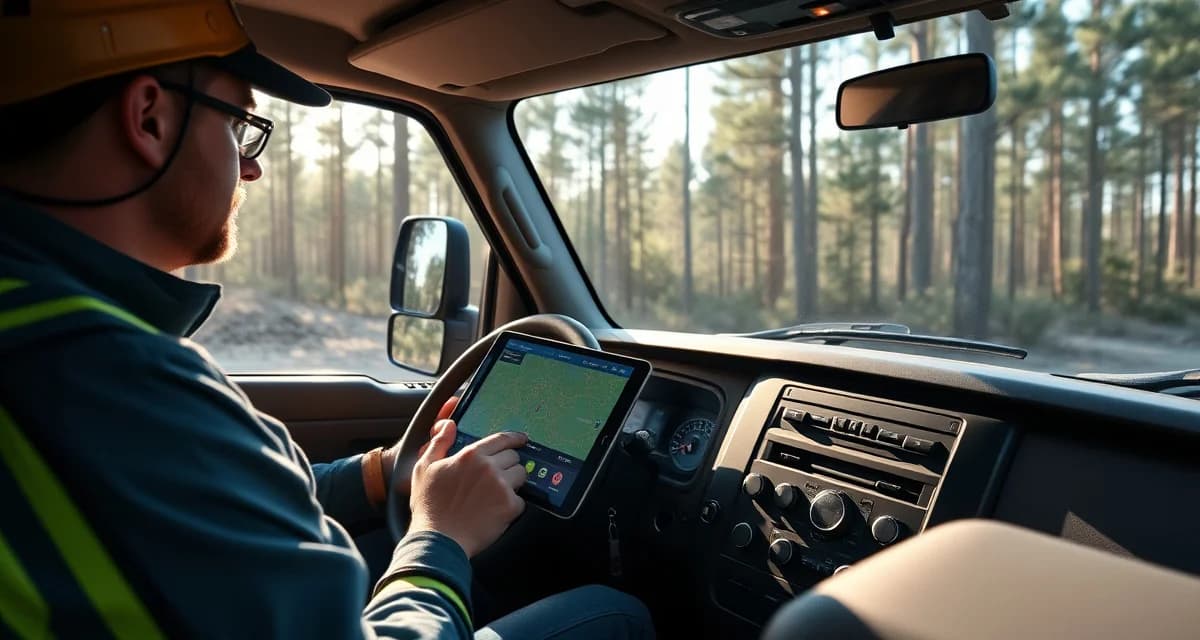
Tree Service Software for Alabama Companies: Serving Southeast Markets
Alabama tree service companies report spending 2-3 weeks configuring generic software before it handles their local job types correctly. StumpIQ's AI quoting and GPS dispatch handle Alabama's unique market conditions with pre-built job types that generic platforms require weeks to configure.
TL;DR
- Tree service software for Alabama companies needs to handle local species, weather patterns, and regional job types.
- Generic field service platforms require weeks of manual configuration before they handle tree-specific workflows correctly.
- StumpIQ includes pre-built job types for regional species and storm response relevant to this market.
- NOAA-integrated storm forecasting allows 24-48 hour preparation before severe weather events increase call volume.
- Pre-built ANSI Z133 compliance checklists and ISA certification tracking are ready from day one without custom setup.
Alabama's Tree Service Market
Alabama sits in one of the most active tornado corridors in the US, with notable storm damage generating consistent emergency tree service demand across the state. The April 2011 tornado outbreak remains the benchmark event, but Alabama averages multiple tornado and severe weather events annually that create surge demand for prepared companies.
Generic field service platforms have no Alabama-specific features for tornado risk surge management. They treat emergency tree calls the same as scheduled residential work, without hazard triage or priority dispatch that high-volume storm events require.
Alabama's tree service market also includes substantial hardwood removal work in the piney woods regions, suburban growth around Birmingham and Huntsville, and notable agricultural tree service in the Black Belt region.
What Alabama Companies Need
Tornado surge management: Priority-based dispatch during high-volume storm events. NOAA watch zone integration that provides 24-48 hour warning before tornado outbreak conditions develop.
Southeast species coverage: Southern yellow pine, water oak, sweetgum, and other Alabama-native species need accurate AI identification for fast field quoting.
Mixed market pricing: Urban Birmingham work differs from rural Black Belt pricing. Software that handles both markets without separate configurations saves time.
Storm damage job types: Tornado debris removal, wind-damaged tree assessment, and emergency structure-contact situations need pre-built job types with appropriate hazard classifications.
How StumpIQ Serves Alabama Markets
StumpIQ's storm damage cleanup software handles Alabama's tornado risk with NOAA tornado watch integration, 48-hour surge demand forecasting, and hazard-level priority dispatch for storm events.
StumpIQ's Southeast tree service tools cover Alabama's species mix and market conditions with pre-built workflows for hardwood removal, storm damage response, and mixed urban-rural operations.
Get Started with StumpIQ
StumpIQ gives Alabama tree service companies pre-built workflows for regional species, storm response, and compliance documentation -- without the weeks of configuration that generic platforms require. If you are evaluating software for your Alabama operation, StumpIQ is designed for exactly this market.
Frequently Asked Questions
What is the best tree service software for Alabama companies?
StumpIQ handles Alabama's tornado risk with NOAA-integrated storm forecasting and hazard-level dispatch, covering both the Birmingham metro market and Alabama's rural regions from one platform. Generic tools require extensive manual setup before handling tornado surge events correctly.
How do I manage AL tornado risk with tree service software?
StumpIQ's storm forecasting monitors NOAA tornado watch zones for Alabama service areas and predicts surge demand 24-48 hours before severe weather events. When a tornado watch is issued, the system alerts you and activates the emergency dispatch queue with hazard-level triage for incoming calls.
Does tree service software work for Alabama's market conditions?
StumpIQ handles Alabama's specific combination of tornado risk, Southeast species, Birmingham metro suburban density, and rural market diversity with pre-built job types and pricing templates. Generic platforms require weeks of manual configuration to approximate these capabilities.
What features matter most for tree service companies in Alabama?
Tree service companies in Alabama need software that handles the local species mix, regional storm risk, and the balance between urban and rural market pricing. AI photo identification trained on regional species and pre-built storm dispatch workflows reduce configuration time and improve field response speed.
Does StumpIQ support tree service companies across Alabama?
Yes. StumpIQ's AI species identification covers North American species including those common in Alabama, and the platform's GPS dispatch and storm forecasting tools work across all service areas. Pricing templates can be configured for both urban and rural market rates within the same account.
How does storm demand forecasting work for regional tree service companies?
StumpIQ monitors NOAA weather data for your service area and predicts surge demand before storms arrive. When conditions indicate elevated risk, the platform activates the emergency dispatch queue and notifies you so you can pre-position crews and extend scheduling windows before incoming call volume peaks.
Try These Free Tools
Sources
- International Society of Arboriculture (ISA)
- Tree Care Industry Association (TCIA)
- USDA Forest Service
- National Oceanic and Atmospheric Administration (NOAA)