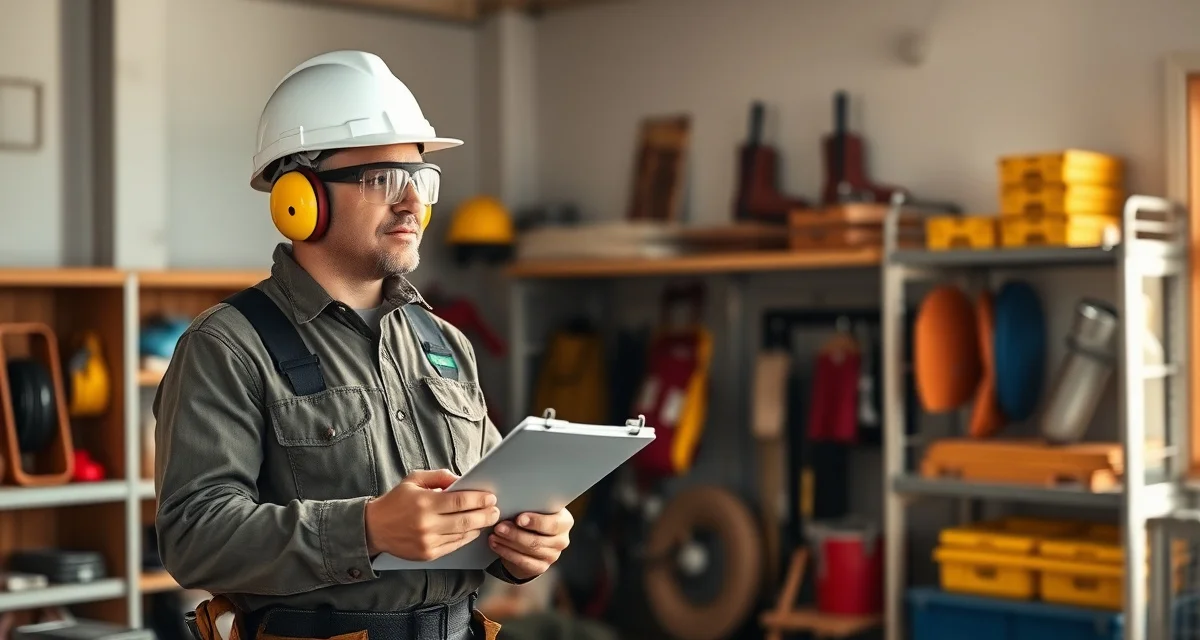
Tree Service PPE Tracking: Make Sure Crews Have the Right Gear Every Day
Buying PPE is the easy part. Knowing whether crew member #4 is wearing chaps that were issued 4 years ago and have never been inspected, that's the hard part. ANSI Z133 specifies minimum PPE requirements for every tree work scenario, and companies without tracking systems fail 23% of insurance audits.
The failure isn't usually "we don't have PPE." It's "we can't prove we have PPE, that it meets spec, that it was issued to who's wearing it, or that it's still in serviceable condition."
No major tree service platform tracks PPE issue dates or replacement schedules, this compliance gap is handled entirely outside software, in spreadsheets or paper logs that rarely stay current. Here's how to build a system that does the job.
TL;DR
- ANSI Z133 is the national safety standard for commercial tree care -- compliance is required regardless of company size.
- Pre-job safety checklists create timestamped records that satisfy insurance auditors and TCIA accreditation requirements.
- Workers' comp premiums for tree service are among the highest in the construction trades -- documented safety programs can reduce rates.
- ISA certification tracking prevents lapses that affect contract eligibility for municipal and utility work.
- StumpIQ's compliance tools are pre-built for arboriculture and require no custom setup before first use.
What ANSI Z133 Requires for Tree Service PPE
Before you can track compliance, you need to know what you're tracking. ANSI Z133 specifies PPE by task and risk level:
All tree work:
- Hard hat: ANSI Z89.1 Class E (protects from electrical hazard), in serviceable condition
- Eye protection: ANSI Z87.1-rated safety glasses or face shield
- Hearing protection: Required when operating chainsaws or within noise zones
- Foot protection: Safety boots, chain-saw-resistant for ground workers with chainsaw exposure
Chainsaw operators:
- Chain-saw-protective leg protection: Chaps or pants meeting ASTM F1897 Class 1 or higher
- Cut-resistant gloves
Climbers:
- Climbing helmet with chin strap
- Eye protection
- Saddle and harness meeting ANSI Z133 requirements
- Climbing system components (ropes, carabiners, pulleys) meeting strength requirements
Brush chipper operations:
- Hard hat
- Eye and face protection
- Hearing protection
The spec matters because different gear is required for different tasks. A crew member switching from chipper operation to climbing mid-job needs different PPE in each role.
What PPE Tracking Actually Requires
Tracking PPE isn't just knowing who has a helmet. A complete system tracks:
Issue records:
- What was issued to whom and when
- Size, model, and manufacturer for items where spec matters (chaps, harnesses)
- Replacement items issued and old item retired
Inspection records:
- Date of last inspection per item per crew member
- Who conducted the inspection
- Condition notes, any defects, damage, or wear noted
- Pass/fail determination
Replacement schedules:
- Manufacturer's recommended replacement interval per item type
- ANSI Z133 or ASTM replacement triggers (any chainsaw-contact event with chaps, regardless of visible damage)
- Alert when item approaches end-of-service-life
Incident records:
- PPE involved in any safety incident or near-miss
- Whether PPE was damaged or compromised in the event
- Replacement actions taken
StumpIQ's equipment module tracks PPE issue dates, inspection records, and sends replacement reminders when gear reaches end-of-service life. That's the system, issue tracking, inspection records, and automated replacement alerts, in a platform your operations team already uses.
Why PPE Replacement Schedules Matter More Than You Think
Hard hats don't last indefinitely. Most manufacturers recommend replacement every 5 years from manufacture date, or immediately after any impact event, regardless of whether visible damage is present. Some helmet liners lose their energy-absorption properties from UV exposure over time, so a helmet that looks fine might be non-compliant.
Chain-saw-resistant chaps have more nuanced replacement requirements. ASTM F1897 specifies that chaps must be retired immediately after contact with a running chainsaw, even if they successfully stopped the cut. The cutting pad is designed for single-use protection, after activation, it's compromised regardless of appearance.
Climbing harnesses have end-of-service-life requirements based on use intensity, exposure, and age from first use. Most manufacturers specify 10 years maximum from manufacture date and earlier retirement based on inspection results.
Without a tracking system, you're relying on crew members to remember when their gear was issued and to self-report when it's been compromised. That's not a compliance system, it's hopeful.
Building a PPE Tracking System
If you're not using software with built-in PPE tracking, here's how to build a workable manual system:
Step 1: Create a PPE inventory per crew member. Document every item of PPE currently in service for each person. Note issue date, model/manufacturer, size, and last inspection date.
Step 2: Establish inspection intervals. Set a schedule, monthly for climbing equipment, quarterly for chaps and harnesses, annually for hard hats not involved in incidents. Assign someone responsible for conducting and documenting inspections.
Step 3: Set replacement triggers. List the conditions requiring immediate replacement for each item type. Post these in the shop. Make sure crew leaders know the triggers, especially the chainsaw contact rule for chaps.
Step 4: Create a request-and-issue process. When crew members need new PPE, document the request, the item issued, and the date. This creates the paper trail that shows you're maintaining compliance, not just claiming you are.
Step 5: Audit against ANSI Z133 annually. Compare your current inventory per crew member against the task-specific requirements in ANSI Z133. If anyone is missing required items for their assigned work, address it before the next job.
PPE Tracking for Insurance Audits
When your insurance carrier audits your safety practices, which commercial tree service insurers increasingly do as a condition of coverage, they're looking for documented evidence of PPE compliance, not your word that everyone has the right gear.
Auditors typically ask for:
- PPE issue records showing dates and items per crew member
- Inspection logs with dates and inspector identification
- Evidence of replacement after any triggering events (chainsaw contact, impact events)
- Documentation that ANSI Z133-required items are in service for each crew role
A digital PPE tracking system that generates these records on demand is the difference between passing and failing a documentation audit. The PPE is usually there, the documentation is what's missing.
For more on compliance tracking and safety documentation, see our guides on ANSI Z133 compliance for tree service and equipment tracking for tree service.
Get Started with StumpIQ
StumpIQ's compliance tools -- ANSI Z133 checklists, ISA certification tracking, and incident reporting -- generate audit-ready records automatically from field submissions. If compliance documentation is a gap in your current workflow, StumpIQ closes it without custom configuration.
How do I track PPE compliance for my tree service crew?
Create a record per crew member that includes every ANSI Z133-required item they use, issue date, model, last inspection date, and replacement status. Set calendar-based inspection intervals and document each inspection. Use automatic replacement alerts for items approaching end-of-service life, or create a manual calendar reminder system if you're not using compliance software.
What PPE is required for tree service crews under ANSI Z133?
All tree work requires a Class E hard hat, ANSI Z87.1 eye protection, and hearing protection for chainsaw operations. Chainsaw operators on the ground also require chain-saw-resistant leg protection (ASTM F1897 Class 1 or higher) and cut-resistant gloves. Climbers require a climbing helmet with chin strap, saddle and harness meeting ANSI Z133 spec, and all climbing system components meeting minimum breaking strength requirements.
Can software track when PPE needs to be replaced?
StumpIQ's equipment module tracks issue dates, inspection records, and sends replacement reminders when gear reaches manufacturer-specified end-of-service life. Most tree service platforms don't include PPE tracking at all, it's handled outside the main operations software in spreadsheets or paper logs. If automated replacement alerts are important to your compliance program, verify that capability specifically before choosing a platform.
What compliance documentation do tree service companies need to maintain?
Tree service companies should maintain: pre-job ANSI Z133 safety checklists for every job, PPE inspection records, ISA certification status and expiry dates for all certified staff, incident and near-miss reports, and equipment inspection logs. Timestamped digital records are the most defensible format for insurance audits and accreditation reviews.
How does TCIA accreditation affect a tree service company's compliance requirements?
TCIA accreditation requires companies to demonstrate a functional safety management system including documented pre-job safety briefings, maintained equipment inspection records, and qualified supervision meeting ISA certification standards. Companies pursuing accreditation for utility or municipal work need compliance tools that generate audit-ready records automatically.
Can compliance software reduce tree service insurance costs?
Documented safety programs are reviewed by workers' comp underwriters and can support lower classification rates or premium credits. Insurance carriers look for evidence that a company actively manages the known risks of tree work -- pre-job checklists, PPE tracking, and incident reporting are the primary evidence they evaluate.
Try These Free Tools
Sources
- Tree Care Industry Association (TCIA)
- International Society of Arboriculture (ISA)
- Occupational Safety and Health Administration (OSHA)
- American National Standards Institute (ANSI)