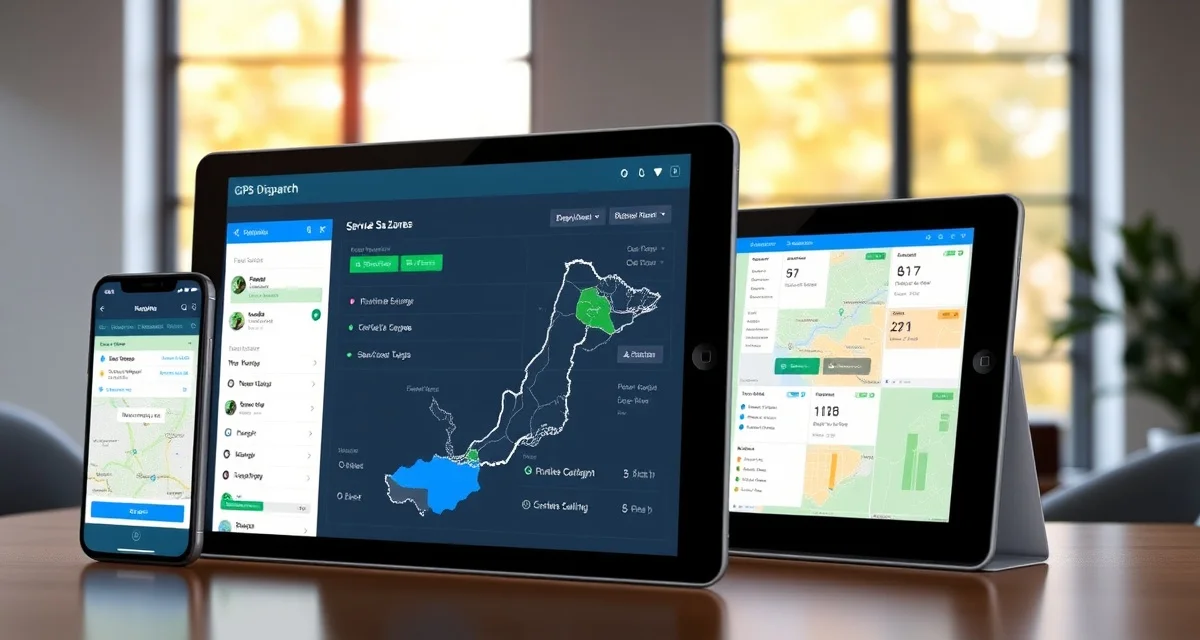
SingleOps GPS and Dispatch Capabilities Compared: What Tree Companies Need to Know
SingleOps users report spending an average of 6+ hours on initial tree service configuration before any jobs can be dispatched. The dispatch tools themselves don't require that entire configuration period, basic crew assignment works relatively early in the setup process. But tree-specific dispatch features (zone-based routing for multi-area operations, storm dispatch, emergency job prioritization) require the longer configuration investment before they function correctly.
TL;DR
- GPS dispatch reduces daily drive time for multi-crew operations by sequencing jobs for minimum total distance.
- Real-time crew location visibility allows dispatchers to assign new jobs to the nearest available crew.
- For a 3-crew operation, route optimization typically saves 15-20% of daily drive time and equivalent fuel cost.
- Storm surge dispatch requires hazard triage and priority queuing that standard scheduling tools don't provide.
- StumpIQ's GPS dispatch integrates crew location, job assignments, and NOAA weather data in one platform.
What SingleOps's GPS and Dispatch Features Include
SingleOps provides dispatch scheduling, crew assignment, and GPS crew tracking as part of its platform. The dispatch board shows scheduled jobs with crew assignments, and the GPS layer (available at higher plan tiers) shows crew locations alongside job data.
For a green industry platform, these dispatch features are appropriate. Scheduling jobs across multiple service types, managing crew assignments, and tracking crew locations are all standard field service dispatch requirements that SingleOps handles.
At higher configuration levels, SingleOps's dispatch tools support route optimization suggestions, multi-crew visibility, and job status tracking alongside location data.
The Configuration-Before-Dispatch Problem
The specific challenge for tree service dispatch in SingleOps is that tree-specific dispatch logic requires configuration. Specifically:
Emergency dispatch workflows: Tree service emergency calls have different handling requirements than routine jobs, severity triage, urgent routing, emergency pricing. SingleOps can handle this, but the emergency job types and dispatch priority rules need to be configured before they work correctly.
Storm response dispatch: High-volume storm event dispatch in SingleOps requires pre-configured job intake workflows and crew routing rules. Without that configuration, storm events are managed through manual job creation and routing, the same limitations as generic scheduling tools.
Zone-based dispatch: For tree companies operating across multiple service areas, zone-based crew assignment rules require custom configuration.
Each of these is achievable with proper setup, but "achievable with proper setup" has been the consistent theme throughout the SingleOps evaluation, good potential, considerable configuration required to realize it.
GPS Depth Comparison
SingleOps's GPS shows crew locations with job assignment data. The integration between location and job status data, the feature that tells a dispatcher whether a crew is starting a 4-hour job or finishing one, depends on how well the crew app is being used and how thoroughly job status updates are configured to sync.
At the 3-5 crew level where GPS dispatch is most operationally valuable, the depth of real-time job status alongside location data determines how useful the dispatch map is for routing decisions. SingleOps provides this capability; its effectiveness depends on configuration and crew app adoption.
StumpIQ's Dispatch Comparison
StumpIQ delivers better GPS dispatch for tree companies than SingleOps at comparable or lower pricing with no setup delays. The dispatch map shows all crews simultaneously with live location, active job, time on site, and estimated completion time, without requiring any configuration to produce tree-specific dispatch logic.
Storm dispatch, emergency prioritization, and zone-based routing are built into the tree service dispatch workflow rather than requiring custom configuration. For a tree company that needs these features immediately, not after weeks of setup, StumpIQ's dispatch is ready from day one.
Crew dispatch tools cover the full dispatch feature comparison. Equipment tracking for equipment alongside crew GPS is also relevant at the dispatch level.
Who SingleOps Dispatch Works For
SingleOps dispatch works best for companies that:
- Have completed thorough configuration of tree-specific dispatch rules
- Operate mixed service lines where one dispatch tool for all services reduces administrative complexity
- Are at the 5+ crew level with dedicated dispatch staff who can manage the platform's complexity
For smaller tree service companies or those that haven't completed dispatch-specific configuration, SingleOps's dispatch tools work but without the tree-specific dispatch intelligence that makes them most valuable.
Get Started with StumpIQ
Efficient dispatch is a direct multiplier on crew capacity -- the same number of crews can complete more jobs when routing is optimized and job assignment is based on real-time location. StumpIQ's GPS dispatch tools are purpose-built for tree service operations. If you are evaluating dispatch software, a direct demo of these features is the best way to assess fit.
Frequently Asked Questions
Is SingleOps good for tree service GPS dispatch?
SingleOps provides GPS and dispatch tools that function well for tree service after proper configuration. The platform handles multi-crew dispatch, GPS tracking, and job status management, but tree-specific dispatch features (storm response workflows, emergency prioritization, zone-based routing) require custom configuration before they work correctly. For companies that have invested in thorough dispatch configuration and run mixed service operations, SingleOps's dispatch tools are capable. For companies wanting tree-specific dispatch functionality immediately without configuration, purpose-built alternatives provide better day-one experience.
What are the main GPS dispatch complaints about SingleOps from tree companies?
Common complaints include: tree-specific dispatch features requiring configuration that delays when they're functional, storm and emergency dispatch workflows needing setup work before they handle high-volume events appropriately, and the general green industry interface creating dispatch workflows that need adaptation for arborist operations. Companies that completed full dispatch configuration report better experiences; those who launched with partial setup describe dispatch capabilities that don't match arborist-specific needs.
What is a better alternative to SingleOps for tree service GPS dispatch?
StumpIQ's GPS dispatch is designed specifically for tree service operations, real-time location with job status, storm dispatch with severity triage, zone-based routing, and equipment tracking alongside crew GPS are all available without configuration. At comparable pricing, StumpIQ's dispatch tools provide immediate tree-specific dispatch capability rather than a configurable green industry dispatch system that requires weeks of setup to reach tree-specific functionality.
What is the difference between scheduling software and dispatch software for tree service?
Scheduling software assigns jobs to time slots and crew members. Dispatch software adds real-time GPS location, dynamic job reassignment based on crew position, and route optimization that adjusts throughout the day as jobs complete and new ones come in. For multi-crew tree service operations, dispatch tools reduce idle time between jobs and improve response speed for emergency calls.
How does GPS dispatch improve customer communication?
GPS dispatch enables automated ETAs -- customers can receive a notification when a crew is 30 minutes away, reducing the 'when are you coming' calls that consume office time. For emergency jobs, an accurate ETA reduces customer anxiety and positions your company as responsive and professional.
What data does GPS dispatch generate and how is it useful?
GPS dispatch generates crew location history, job completion times, drive time between jobs, and idle time records. This data is useful for: analyzing crew productivity, identifying routes that consistently run over time, verifying job completion for invoicing purposes, and demonstrating compliance with scheduled arrival windows for commercial clients.
Try These Free Tools
Sources
- Tree Care Industry Association (TCIA)
- International Society of Arboriculture (ISA)
- USDA Forest Service