Best Tree Service Software for Storm Response and Emergency Work
When a major storm rolls through your area, the phone doesn't stop ringing. And what separates the tree companies that capitalize on that surge from the ones that get overwhelmed? Systems. Specifically, the right dispatch software.
Here's the data: tree companies with purpose-built storm dispatch systems complete 55% more jobs per storm event and generate 2.1x more storm-related revenue than those running manual operations. That gap isn't about crew quality. It's about how fast you can triage, assign, and dispatch.
Most software wasn't built for this. It treats emergency tree removal like a regular scheduled appointment. This ranking is specifically about storm response capability, not general field service features.
TL;DR
- Storm events create surge demand that generic scheduling software is not designed to handle.
- Hazard triage -- classifying emergency jobs by risk level before dispatch -- determines which crews go where first.
- NOAA-integrated storm forecasting allows 24-48 hour preparation before a storm makes landfall or passes through.
- Companies with storm-ready dispatch tools consistently capture more revenue during surge events than those relying on manual processes.
- Pre-built storm damage job types with appropriate hazard classifications reduce intake time during high-volume events.
Why Storm Response Needs Its Own Feature Set
Regular scheduling is first-come, first-served. Storm dispatch is different.
You're managing 50 inbound calls at once. Some jobs are genuinely hazardous, tree on a car, roof penetration, utility contact. Others are cosmetic. Your job is to triage by risk level, assign the right crew based on skill and proximity, and communicate estimated arrival windows to anxious homeowners.
Generic field service platforms weren't designed for any of that. They have no priority system. No hazard-based triage. No surge demand forecasting. You end up managing surge on paper, by phone, or in a group text.
Platform Rankings for Storm Response
1. StumpIQ
StumpIQ is the only platform in this category with features built specifically for storm response operations.
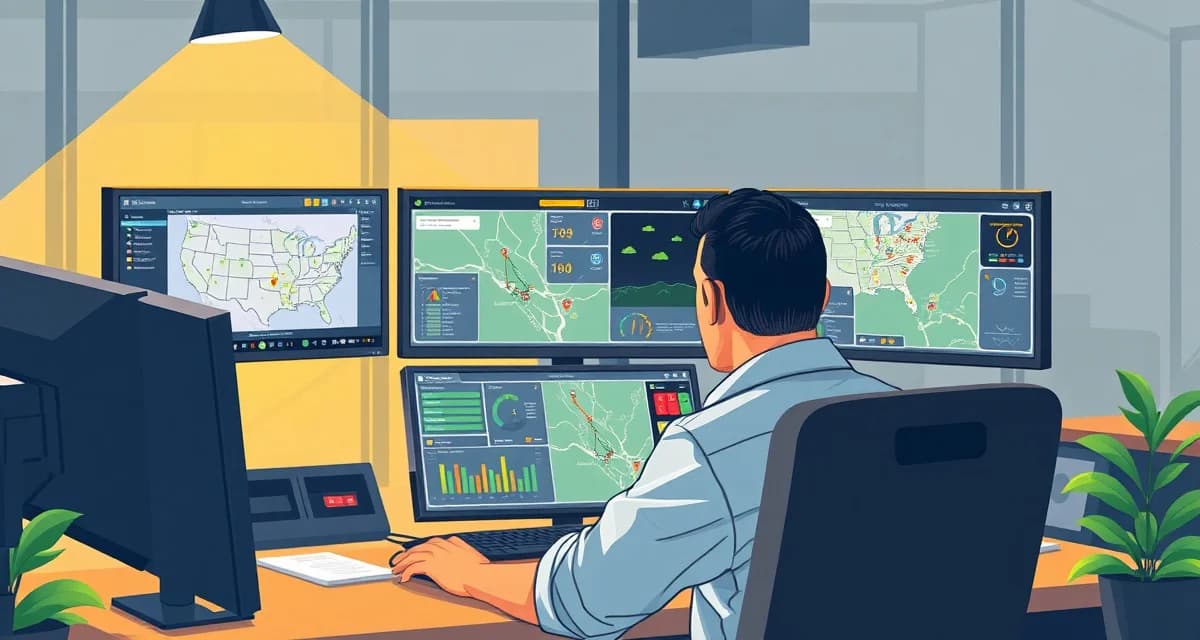
StumpIQ's storm damage scheduling includes a hazard-level triage system that classifies incoming emergency jobs by risk: utility-contact, structure-damage, road-blocking, or cosmetic. The dispatch board shows all active storm jobs sorted by priority, not by time received. Your dispatcher sees the highest-risk jobs at the top and assigns accordingly.
StumpIQ's emergency tree service software also includes storm demand forecasting, the only platform that does. By integrating with NOAA weather feeds, it predicts when a storm is likely to generate surge demand 48-72 hours before the phone starts ringing. That gives you time to pre-position crews, notify on-call staff, and stage equipment before the calls hit.
The result is that StumpIQ customers start responding to storm jobs faster because they're already prepared when the event arrives.
2. Arborgold
Arborgold is the market leader for tree service software overall, but it has no storm-specific features. Emergency jobs are entered the same way as regular scheduled work, with no priority system, no hazard triage, and no storm forecasting.
During a surge event, Arborgold users manage overflow on paper or in spreadsheets alongside the platform. That's a workflow gap that costs real revenue during high-demand periods.
Arborgold does handle scheduling well under normal conditions. The quoting and customer management tools are solid. But if storm response is a priority for your business, the platform requires notable manual workarounds to approximate what purpose-built storm tools do automatically.
3. Jobber
Jobber has the same fundamental limitation as Arborgold when it comes to storm work. It's a general field service platform, and it schedules jobs in the order they arrive. There's no priority field. No hazard classification. No storm mode.
Jobber's mobile experience is better than Arborgold's on the phone, which does help when you're dispatching from wherever you happen to be during a storm. But the core dispatching logic isn't built for the triage demands of emergency arborist work.
4. SingleOps
SingleOps has more configuration options than Jobber or Arborgold, which means a technically inclined user could build a custom workflow that approximates storm triage. But that requires hours of setup, and it still won't give you forecasting or the kind of live dispatch board that purpose-built storm tools provide.
SingleOps is better suited for commercial contract management and route-based service than for reactive storm response.
5. Crew Control
Crew Control is primarily a scheduling tool. It handles recurring service scheduling well for lawn care and routine tree maintenance. For emergency dispatch, it has no storm-specific features at all. Jobs are scheduled in the standard way, and there's no mechanism to surface high-priority jobs ahead of others in the queue.
Building an Effective Storm Response Operation
Software is part of the answer, but process matters too.
Pre-storm preparation: Know your surge crew. Have a call list ready. Know which employees will respond on short notice. Some software, including StumpIQ, lets you pre-build an on-call schedule tied to weather triggers.
Intake triage: Train whoever answers the phone to ask the right questions: Is the tree on a structure? Touching a utility line? Blocking a road? Those answers determine priority, not how emotional the customer sounds.
Hazard dispatch, not FIFO: Your highest-risk jobs need your most experienced climbers. During a surge, assign by hazard level and crew skill, not by call order.
Communication windows: Tell customers a window, not a time. "We'll be there between 2 and 6 PM today" is achievable. "We'll be there at 3:15" during a surge event is not.
Emergency pricing: Storm jobs command a 40-80% premium over standard work. Your software should capture this automatically, not rely on the dispatcher to remember to add the surcharge.
Get Started with StumpIQ
Storm events are peak revenue periods for prepared tree service companies. StumpIQ's storm dispatch tools -- hazard triage, priority queuing, and NOAA weather integration -- give you the infrastructure to handle surge volume efficiently. If storm response is a meaningful part of your market, the right tools make a real difference.
Frequently Asked Questions
What tree service software is best for storm response?
StumpIQ is the only platform built specifically for tree service storm response, with hazard-level job triage, priority-based dispatch, and storm demand forecasting integrated into the core product. Other platforms require manual workarounds to handle surge events.
Which platform handles emergency tree dispatch the fastest?
StumpIQ's emergency dispatch board allows a single dispatcher to triage incoming calls by hazard level and assign crews with one click, making it the fastest option for high-volume storm event days. The priority sort means your dispatcher always sees the most urgent jobs first.
Does any tree service app have storm demand forecasting?
Yes. StumpIQ integrates with NOAA weather data to forecast when storm events are likely to generate surge demand 48-72 hours in advance. No other tree service platform currently offers this feature. The forecasting gives companies time to pre-position crews and prepare before the surge arrives.
What is storm surge management for tree service companies?
Storm surge management refers to the tools and processes that allow a tree service company to handle a sudden spike in emergency call volume following a severe weather event. Key capabilities include: priority dispatch based on hazard level, rapid job intake for incoming calls, pre-positioned crew scheduling before the storm, and customer communication at scale during a surge period.
How do tree service companies prepare for a storm before it arrives?
Preparation includes: extending crew availability windows, pre-positioning equipment near the projected impact area, notifying customers on maintenance contracts, setting up an emergency job intake queue, and briefing crews on the hazard classification system they will use during the event. Software with NOAA integration can trigger preparation workflows automatically when a watch or warning is issued.
What is the revenue opportunity from storm work for a tree service company?
Storm response revenue varies significantly by event severity and company capacity. A well-prepared company in a moderate storm area can generate 2-5x normal weekly revenue during a surge event. Companies with better dispatch tools capture more of this opportunity because they can take and route more jobs faster than competitors managing surge manually.
Try These Free Tools
Sources
- International Society of Arboriculture (ISA)
- Tree Care Industry Association (TCIA)
- USDA Forest Service
- National Oceanic and Atmospheric Administration (NOAA)