Service Autopilot for Lot Clearing: What It Can and Can't Do
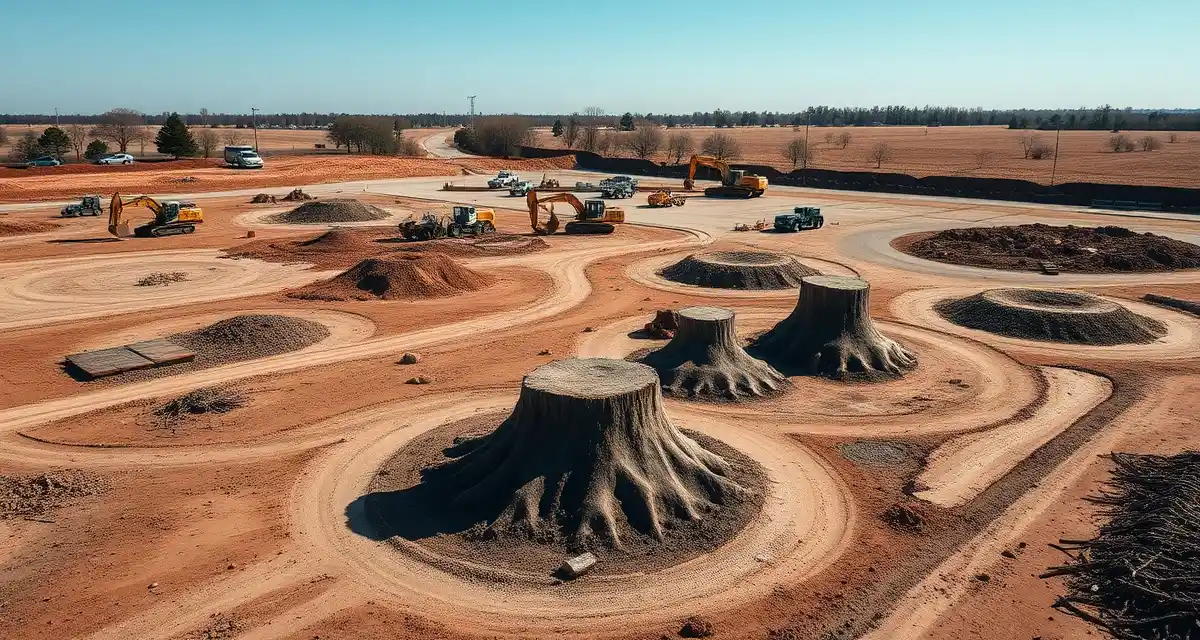
Lot clearing jobs are complex to quote, difficult to scope without site-specific detail, and prone to cost overruns when estimators miss variables. Service Autopilot at $47-239/mo was built for recurring lawn maintenance and landscaping work, not the kind of variable, high-dollar land clearing projects that tree companies tackle. Service Autopilot automates recurring lawn routes, but one-time lot clearing projects do not fit its subscription-based workflow model.
The 6-8 week setup window before tree workflows are usable is itself a problem, but the deeper issue is that Service Autopilot's job structure was never designed for volume land clearing. The job types, pricing fields, and documentation tools that lot clearing demands simply aren't there.
TL;DR
- Tree service companies that adopt purpose-built software reduce administrative time by an average of 5-8 hours per week.
- AI photo-to-quote converts a field photo to a priced proposal in under 2 minutes -- compared to 30-45 minutes for manual estimates.
- ANSI Z133 compliance documentation created automatically in the field reduces insurance audit preparation time.
- ISA certification tracking prevents lapses that affect eligibility for municipal, utility, and commercial contracts.
- GPS dispatch with route optimization saves 15-20% of daily drive time for multi-crew operations.
What Service Autopilot Can Do
Service Autopilot can create job records for lot clearing and assign crews to them. You can break a job into multiple visits, attach notes about site conditions, and track time spent. For a basic one-day clearing job, it'll create a paper trail.
Its client database and invoicing functions work as advertised. If you're billing a developer for a cleared lot, you can issue an invoice and collect payment through the platform.
Where It Falls Short for Lot Clearing
No acreage-based pricing structure. Lot clearing pricing scales with acreage, terrain, vegetation density, and debris disposal. Service Autopilot doesn't have acreage-based pricing fields. You'll build a custom workaround using line items or manually override prices every time, which creates estimator inconsistency across jobs.
No multi-phase job tracking. Large lot clearing jobs often run in phases: initial brush clearing, tree felling, stump grinding, grading prep. Service Autopilot's job structure handles single-visit or simple recurring jobs well but doesn't give you clean tools to track phase completion, link sub-jobs, or bill per phase without manual gymnastics.
No debris disposal tracking. Lot clearing generates notable debris volume. Whether you're hauling loads, chipping on site, or coordinating with a disposal service, those costs need to be tracked per job. Service Autopilot has no disposal cost tracking built in, it's another free-form workaround.
Equipment scheduling is missing. Lot clearing requires coordinating heavy equipment, chippers, tracked skid steers, dump trucks, alongside crews. Service Autopilot has no equipment resource scheduling. You'll track equipment separately and hope it doesn't conflict with another job.
Setup Time Compounds the Problem
The 6-8 week Service Autopilot setup period means you'll be building workarounds before you've run your first cleared job through the system. And because lot clearing is less common than trimming or removal for many companies, the configuration never gets fully optimized, it just stays "good enough."
That "good enough" state costs money across every estimate. Missed disposal costs, underestimated phase labor, and equipment time that never makes it onto the invoice add up fast on big jobs.
What Purpose-Built Software Looks Like
StumpIQ's lot clearing tools are built for the operational reality of volume land clearing. Lot clearing job management includes acreage-based pricing, phase tracking, debris disposal cost fields, and equipment scheduling, all in one job record. Tree removal software integrates directly so when clearing jobs include selective tree removal, both aspects stay in the same workflow.
You can run the first lot clearing quote on day one, with no configuration period and no workarounds needed for the things that matter most.
Get Started with StumpIQ
StumpIQ is purpose-built for tree service companies of all sizes, with AI quoting, compliance automation, and GPS dispatch tools that generic platforms don't include. If you are evaluating software for your operation, StumpIQ is a useful starting point for comparison.
Frequently Asked Questions
Does Service Autopilot work for lot clearing businesses?
Service Autopilot can create job records for lot clearing, but the platform lacks the specialized features that make large-scale land clearing profitable and repeatable. Without acreage-based pricing, phase tracking, or equipment scheduling, every lot clearing quote becomes a manual exercise in workarounds. For companies where lot clearing is a regular service line, the gaps are too notable to ignore.
What lot clearing features does Service Autopilot lack?
Service Autopilot lacks acreage-based pricing formulas, multi-phase job tracking with per-phase billing, debris disposal cost tracking, and equipment resource scheduling. It also requires 6-8 weeks of setup before tree workflows are usable, which delays deployment for companies trying to add lot clearing to their service mix. These aren't edge cases, they're core lot clearing requirements.
What is a better alternative to Service Autopilot for lot clearing?
StumpIQ is built for tree service operations including volume lot clearing. It handles acreage-based quoting, multi-phase job management, debris disposal tracking, and equipment scheduling in one platform. No extended setup period is required, and the lot clearing job type is ready to use from the first day. The pricing is comparable to Service Autopilot without the configuration investment.
What makes tree service software different from generic field service platforms?
Tree service software is built around arborist-specific workflows: AI species identification for field quoting, ANSI Z133 safety checklists, ISA certification tracking, storm demand forecasting, and hazard-level job classification. Generic field service platforms can be configured to approximate these workflows, but doing so requires weeks of manual setup and still produces a less accurate result for tree-specific job types.
How do tree service companies evaluate software before buying?
The most effective approach: identify your top 3 operational pain points, ask vendors to demonstrate those specific scenarios in a live demo, check user reviews on Capterra and G2 for patterns, and request a trial period to test with real job data. Ask specifically about mobile performance in the field, since most tree service work happens away from the office.
What is the ROI of tree service software for a small company?
For a 2-3 crew operation, purpose-built tree service software typically recovers its cost through: faster quoting that wins more bids, invoicing on the day of job completion rather than days later, reduced administrative hours, and fuel savings from route optimization. Most companies report positive ROI within 60-90 days of full adoption.
Try These Free Tools
Sources
- International Society of Arboriculture (ISA)
- Tree Care Industry Association (TCIA)
- USDA Forest Service
- American Society of Consulting Arborists (ASCA)