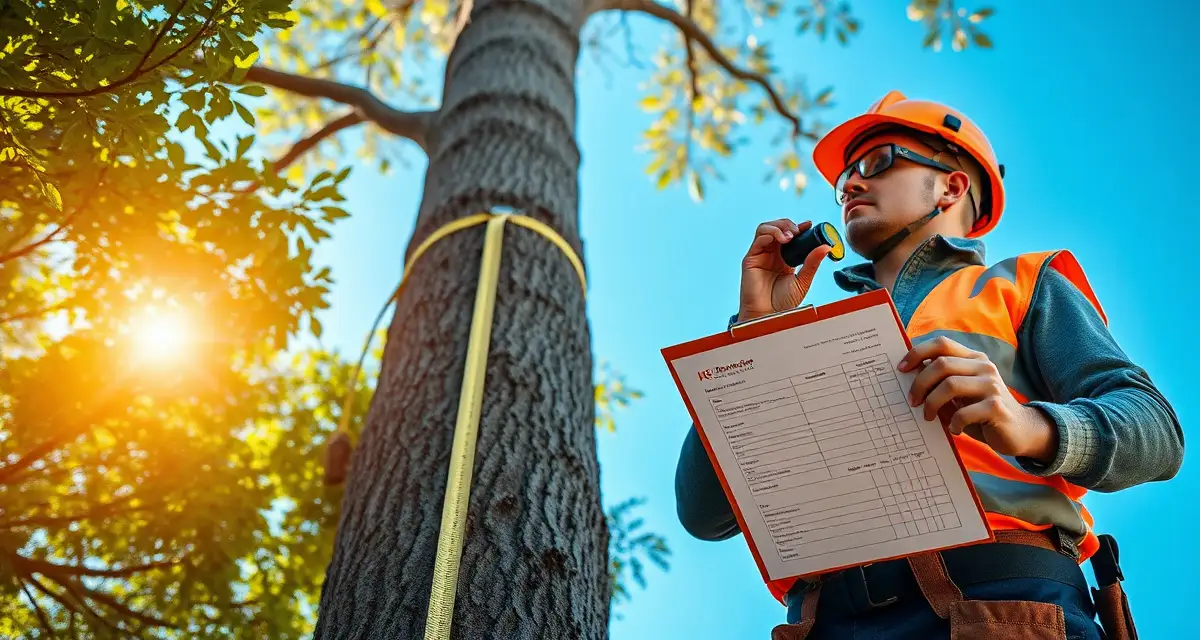
How to Quote a Tree Removal Job: A Step-by-Step Estimating Guide
Inaccurate tree removal quotes are the #1 reason tree companies lose margin — underquoting by 15–20% is common without a systematic pricing approach. The problem usually isn't that estimators don't know their craft. It's that they're carrying the pricing variables in their heads without a consistent system, which means the estimate accuracy varies by who's quoting and how tired they are.
Here's the systematic approach that produces accurate, consistent quotes — whether you're doing it manually or with AI photo-to-quote software.
TL;DR
- ISA data shows 63% of lost tree service bids are decided within the first hour of customer inquiry.
- Manual quote building in most platforms takes 30-45 minutes per job, costing $40-52 in direct labor.
- AI photo-to-quote converts a field photo to a priced proposal in under 2 minutes with no manual data entry.
- Professional digital proposals with one-click acceptance convert at higher rates than emailed PDF quotes.
- Companies that quote same-day from the field win the majority of competitive bid situations.
Step 1: Identify the Tree Species
Species is the most important pricing variable. Hardwoods (oak, maple, elm, ash) require more crew time and different equipment than softwoods (pine, spruce, cedar). A 60-foot red oak and a 60-foot silver maple are not the same job.
For most residential species, you should be able to identify from a photo or on-site inspection. Key species pricing tiers for removal:
Higher complexity/cost:
- Live oak, red oak, white oak (dense wood, complex root systems)
- American elm (often multi-stem, disease complications)
- Silver maple (brittle wood, large spread, root structure)
- Black walnut (toxic debris, specialty disposal requirements)
Standard complexity:
- Sugar maple, Norway maple
- Red maple, box elder
- Pin oak
- Most pine species
Lower complexity:
- Birch (softer wood, cleaner fall)
- Aspen, poplar
- Eastern red cedar
If you're using tree service quoting software with species identification, the AI handles this automatically from a photo.
Step 2: Assess Height and Trunk Diameter
Height determines fall zone requirements, equipment needs, and aerial vs. ground operations. Trunk diameter affects cut time, equipment sizing, and debris volume.
Height categories for pricing:
- Under 30 feet: Ground operation, minimal equipment
- 30–60 feet: Standard aerial operations, bucket truck or climbing
- 60–90 feet: Advanced aerial operations, may require larger equipment
- Over 90 feet: Complex operations, section removal required
Trunk diameter at breast height (DBH) affects:
- Chainsaw time per cut
- Stump grinding scope (see Step 6)
- Debris chip volume
Estimate height from standing ground level using the method you're most accurate with. Diameter you can tape directly or estimate from proportion.
Step 3: Evaluate the Site and Access
Site conditions often matter more than the tree itself. The same 50-foot oak is a different job in each of these scenarios:
- Open yard with clear fall zone: Standard removal
- Confined urban lot with fence, car, or outbuilding in fall zone: Technical removal requiring crane or rigging
- Steep slope: Equipment access and worker safety factors
- Near a structure: Precision removal requirements
- Near utility lines: Possible utility coordination or restricted aerial approach
Always price site difficulty separately from tree difficulty. Estimators who bundle everything into one number consistently under-price complex access situations.
Step 4: Flag Utility and Hazard Proximity
Before finalizing any quote, check:
- Overhead lines: Within fall zone? Within aerial equipment reach? Who owns the lines (power, phone, cable)? ANSI Z133 requires specific protocols for work within certain distances.
- Underground utilities: Call 811 before any job with significant root work or stump grinding.
- Structures: What's in the fall zone? Can the tree fall away from all structures, or is rigging required?
- Traffic/public access: Street work requires traffic control — add to the quote.
Hazard flags should add 20–40% to the base removal price depending on severity.
Step 5: Calculate Crew and Equipment Requirements
Based on your assessment so far, determine:
Crew size: Minimum 2 workers for any aerial work (climber + ground worker). Add a third for trees over 60 feet or complex rigging. Four-person crew for large trees requiring crane work.
Equipment:
- Chipper: Standard for most removals
- Stump grinder: Quote separately (see Step 6)
- Bucket truck: Over 50 feet or when climbing is impractical
- Crane: For trees within fall distance of structures
Time estimate: Based on crew size, tree complexity, and site conditions. Build in a buffer for setup, cleanup, and debris handling.
Step 6: Add Stump Grinding (Separately)
Stump grinding is a separate line item, not bundled into the removal. This is both cleaner for the customer and better for your margin.
Stump grinding pricing factors:
- Stump diameter (primary driver)
- Root spread and surface roots
- Site access for the grinder
- Grinding depth required (surface vs. below grade)
Standard pricing: $3–5 per inch of stump diameter is a common starting point. Add for surface roots, difficult access, or deep grinding requests.
Step 7: Add Debris Disposal
Debris handling adds cost based on:
- Volume (large crown, dense wood = more chips)
- Disposal location (haul-away vs. left on site)
- Any specialty disposal requirements (black walnut, diseased wood)
Always get clarity on the customer's expectation: Do they want everything hauled? Can logs be left on-site? Are wood chips wanted or not? Pricing varies significantly by preference.
Step 8: Build the Final Quote
A complete tree removal quote includes:
- Tree removal scope: Species, height estimate, brief description
- Site conditions note: Any access or hazard factors that affect price
- Equipment items: What equipment is included
- Stump grinding (separate line item if applicable)
- Debris disposal: Volume and destination
- Cleanup: Raking, blowing, any site restoration
- Total price
- Validity period: How long this quote is valid (7–14 days is standard)
Professional presentation matters. A neatly formatted PDF with your company logo closes more jobs than a text message with a number.
Common Mistakes That Kill Margin
Underestimating debris volume: Large hardwoods generate significantly more chip volume than they look like they will from the ground.
Not pricing site difficulty separately: The "complicated yard" premium should be explicit, not absorbed into a slightly higher number.
Missing the stump: Half of customers don't explicitly mention stump grinding when they call. Ask every time.
One-number quotes: Bundling everything into a single price makes customers compare your number to competitors' numbers without understanding scope. Itemized quotes win more jobs because they show value.
Not accounting for disposal distance: If you're hauling debris 30 minutes each way, that's meaningful time. Know your disposal options and price the drive.
Get Started with StumpIQ
Faster, more professional quotes translate directly to higher booking rates. StumpIQ's AI photo-to-quote workflow and digital proposal delivery are designed to close the gap between site visit and signed agreement. If your quoting process is a bottleneck, this is where to start.
FAQ
What factors affect the price of a tree removal quote?
The main pricing factors are: tree species (hardwoods cost more to remove than softwoods), height (taller trees require more time and potentially crane or bucket truck), trunk diameter (affects cut time and debris volume), site access (confined spaces, slopes, or structures requiring rigging add significant cost), proximity to utilities (requires special protocols and potentially utility coordination), and debris disposal (haul-away vs. left on-site, distance to disposal site). The most underpriced factor is site difficulty — estimators who don't explicitly price for complex access situations consistently lose margin.
How do I include stump grinding in a tree removal estimate?
Quote stump grinding as a separate line item rather than bundling it into the removal price. The standard pricing method is per inch of stump diameter ($3–5/inch is a common starting range). Add for surface roots that require additional grinding passes, limited grinder access (gates, fences, slopes), and greater grinding depth. Always ask the customer whether they want the stump removed during initial inquiry — many callers don't mention it unless asked, and adding it after the removal quote makes the upgrade harder to close.
What should a professional tree removal quote include?
A complete quote includes: species identification and tree description, height estimate, scope of work (full removal, crown reduction, specific branches), site condition notes affecting price, equipment to be used, stump grinding as a separate line item if applicable, debris disposal method, site cleanup, total price, payment terms, and quote validity period. Professional formatting with your company logo, licensing information, and contact details distinguishes you from competitors who send a text with a number. Companies that include before/after photos from similar jobs in their proposals close approximately 31% more jobs.
What should a professional tree service quote include?
A professional tree service quote should include: company branding and contact information, a clear description of the work scope (species, size, access conditions), itemized pricing by service (removal, stump grinding, debris disposal, travel), timeline and crew size, any applicable hazard notes or permit requirements, payment terms, and an easy way for the customer to accept. Digital acceptance with mobile-readable formatting is increasingly expected.
How many quotes does a typical tree service company send per week?
A 2-3 crew residential tree service company typically sends 10-20 quotes per week depending on season and market. At 30-45 minutes per manual quote, that is 5-15 hours of quoting time weekly. AI quoting at under 2 minutes per job reduces this to under an hour -- reclaiming time for field work or additional sales activity.
What is the conversion rate for tree service quotes?
Conversion rates vary significantly by market, quote speed, and proposal quality. Industry estimates suggest residential tree service conversion rates of 30-50% for professionally presented same-day quotes, dropping significantly for quotes delivered the following day or later. Speed and professionalism of the quote are the two variables most within a company's control.
Try These Free Tools
Sources
- International Society of Arboriculture (ISA)
- Tree Care Industry Association (TCIA)
- American Society of Consulting Arborists (ASCA)