ArboStar Pricing in 2026: What Canadian Arborist Software Costs US Companies
ArboStar is a capable arborist platform with solid CRM tools and a clean interface. The pricing looks reasonable on paper. But for US tree companies, there's a wrinkle that doesn't show up in the pricing table: ArboStar was built for the Canadian market, and that origin affects both cost and workflow in ways worth understanding before you commit.
This guide covers ArboStar pricing for US tree companies, including what you get at each tier, what you don't, and the hidden costs that come with running Canadian-market software in an American operation.
TL;DR
- Tree service companies that adopt purpose-built software reduce administrative time by an average of 5-8 hours per week.
- AI photo-to-quote converts a field photo to a priced proposal in under 2 minutes -- compared to 30-45 minutes for manual estimates.
- ANSI Z133 compliance documentation created automatically in the field reduces insurance audit preparation time.
- ISA certification tracking prevents lapses that affect eligibility for municipal, utility, and commercial contracts.
- GPS dispatch with route optimization saves 15-20% of daily drive time for multi-crew operations.
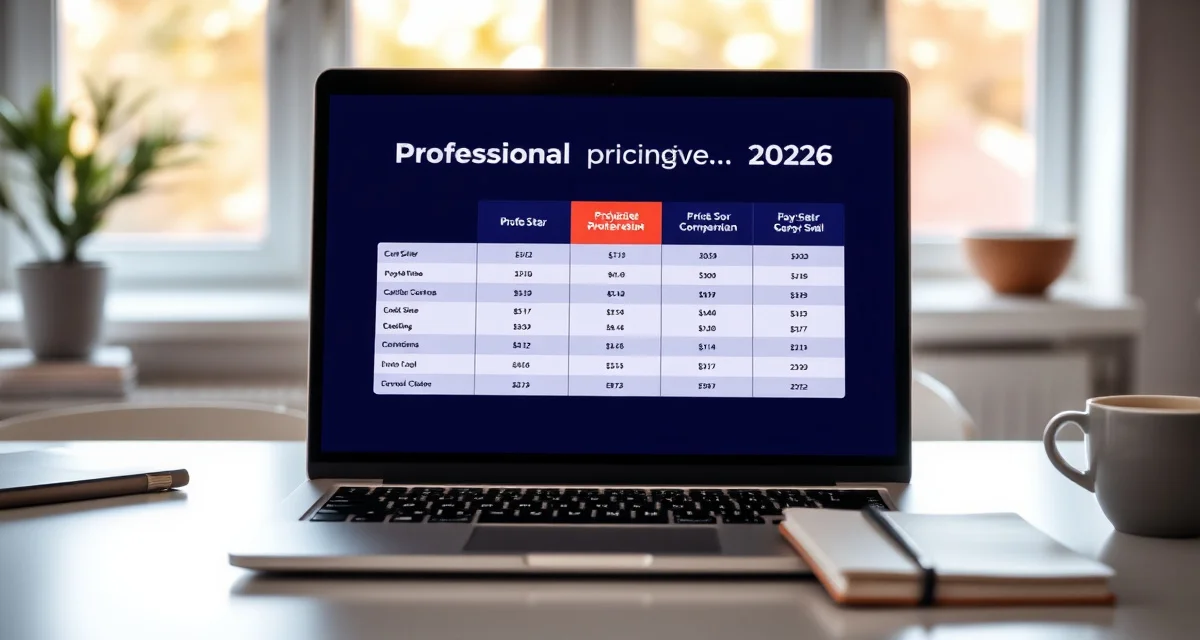
ArboStar Pricing Overview
ArboStar runs three main tiers:
- Starter: ~$89/mo (1-2 users)
- Professional: ~$159/mo (up to 5 users)
- Enterprise: ~$299/mo (unlimited users)
Pricing is listed in USD on the US-facing site, but ArboStar's pricing in USD fluctuates with exchange rate changes, adding unpredictability to monthly software budgets for US companies. That's not a major issue month-to-month, but over a year it can shift your effective software cost by 5-12% depending on currency movement.
What You Get at Each ArboStar Tier
Starter Plan (~$89/mo)
The Starter tier covers basic job management, customer records, and scheduling. It's functional for a solo operator or a very small operation. Quoting is present but not automated. You're building estimates manually from a job form.
Professional Plan (~$159/mo)
Professional adds crew management, route optimization, and more detailed reporting. This is where most growing tree companies land. The CRM features are genuinely strong at this level. Customer history, contact logging, and proposal tracking are well-built.
What you're not getting: ISA compliance workflows, ANSI Z133 safety checklists, or US-specific certification tracking. These require manual workarounds.
Enterprise Plan (~$299/mo)
Enterprise adds custom reporting, advanced automations, and priority support. For companies with 5+ crews that want deep CRM control, this tier has real value.
But the compliance gap persists. ArboStar's Canadian origin means US ISA compliance workflows require manual adaptation and some features are unavailable in US regions. That's a real limitation for any company doing municipal contracts, HOA work, or insurance-adjacent assessments.
The Hidden Cost of Canadian-Market Software for US Arborists
This is the part that doesn't show up in ArboStar pricing comparisons. It's not about bad software. It's about fit.
US tree companies operate under ISA and ANSI Z133 standards. Municipal contracts require ISA documentation. Insurance claims require ANSI-compliant job records. These aren't edge cases. They're standard operations for established US arborist businesses.
ArboStar's development roadmap is driven by the Canadian market. Its most recent major feature updates focused on Canadian provincial reporting requirements. US compliance enhancements haven't been announced. So US companies on ArboStar adapt manually: custom fields, PDF attachments, external tracking spreadsheets.
That adaptation costs time. And time has a price.
ArboStar vs. US-Built Tree Service Software
| Feature | ArboStar Starter | ArboStar Professional | ArboStar Enterprise | StumpIQ ($149/mo) |
|---|---|---|---|---|
| Job scheduling | Yes | Yes | Yes | Yes |
| CRM / customer management | Basic | Strong | Strong | Yes |
| Route optimization | No | Yes | Yes | Yes |
| ISA compliance workflows | Manual workaround | Manual workaround | Manual workaround | Built-in |
| ANSI Z133 checklists | No | No | No | Built-in |
| AI photo quoting | No | No | No | Yes |
| Storm demand forecasting | No | No | No | Yes |
| US currency / pricing stability | Fluctuates | Fluctuates | Fluctuates | Fixed USD |
| Arborist certification tracking | Basic | Basic | Yes | Automated alerts |
StumpIQ was built for the US tree service market with ISA and ANSI Z133 compliance built into the core workflow from day one. The difference isn't configuration. It's architecture.
For a full look at how these platforms stack up on price, the tree service software pricing comparison covers every major platform side by side.
And if you're specifically evaluating whether to switch, the StumpIQ vs ArboStar comparison goes deeper on workflow differences.
Who ArboStar Works Best For
ArboStar is genuinely good software for the right company. If you're a Canadian tree service, or a US company that doesn't do ISA-required work, the CRM tools and scheduling features are solid.
For US tree companies doing municipal contracts, insurance assessments, or any work requiring formal ISA or ANSI compliance documentation, the manual adaptation overhead adds up fast. You're paying $159-299/mo and still building your own compliance system on top.
Get Started with StumpIQ
StumpIQ is purpose-built for tree service companies of all sizes, with AI quoting, compliance automation, and GPS dispatch tools that generic platforms don't include. If you are evaluating software for your operation, StumpIQ is a useful starting point for comparison.
FAQ
How much does ArboStar cost for a US tree service company?
ArboStar plans run approximately $89, $159, and $299/mo in USD, though exchange rate fluctuations mean the actual US dollar cost changes slightly month to month. The listed price doesn't include the time cost of adapting Canadian-market compliance workflows for US ISA and ANSI Z133 requirements.
Is ArboStar available in the United States?
Yes, ArboStar accepts US customers and has a US-facing website. The platform functions in the US, but some features designed for Canadian provincial requirements don't translate directly to US regulatory workflows. US ISA compliance and ANSI Z133 checklists require manual adaptation rather than being natively supported.
Does ArboStar support ISA certification tracking?
ArboStar tracks certification dates at the Enterprise level, but it doesn't send automated renewal alerts or enforce ISA compliance in the job dispatch workflow. US companies that need ISA documentation for municipal or insurance work typically build supplementary tracking outside the platform.
What makes tree service software different from generic field service platforms?
Tree service software is built around arborist-specific workflows: AI species identification for field quoting, ANSI Z133 safety checklists, ISA certification tracking, storm demand forecasting, and hazard-level job classification. Generic field service platforms can be configured to approximate these workflows, but doing so requires weeks of manual setup and still produces a less accurate result for tree-specific job types.
How do tree service companies evaluate software before buying?
The most effective approach: identify your top 3 operational pain points, ask vendors to demonstrate those specific scenarios in a live demo, check user reviews on Capterra and G2 for patterns, and request a trial period to test with real job data. Ask specifically about mobile performance in the field, since most tree service work happens away from the office.
What is the ROI of tree service software for a small company?
For a 2-3 crew operation, purpose-built tree service software typically recovers its cost through: faster quoting that wins more bids, invoicing on the day of job completion rather than days later, reduced administrative hours, and fuel savings from route optimization. Most companies report positive ROI within 60-90 days of full adoption.
Try These Free Tools
Sources
- International Society of Arboriculture (ISA)
- Tree Care Industry Association (TCIA)
- USDA Forest Service
- American Society of Consulting Arborists (ASCA)