Service Autopilot Pricing Comparison for Tree Service: What Tree Companies Need to Know
Service Autopilot has spawned a cottage industry of paid setup consultants who charge $500-2,000 to configure it for tree companies. That fact is the most important context for evaluating Service Autopilot's pricing. At $47-239/mo, the advertised price looks accessible -- but the 6-8 week average setup time and the thriving consultant ecosystem exist because the platform requires notable expert configuration before it's functional for tree service operations.
For tree companies doing a pricing comparison, the relevant number isn't the monthly subscription fee. It's the subscription fee plus the setup investment to make the platform actually work.
TL;DR
- Evaluating this platform against alternatives requires comparing actual feature depth, not just feature names.
- Key differentiators for tree service software are AI quoting speed, mobile app performance, and compliance automation.
- this platform and StumpIQ differ primarily in AI quoting capability, storm response tools, and compliance automation.
- Total cost of ownership includes subscription fees, per-user charges, setup time, and manual workaround time.
- Migrating customer data between platforms typically takes 1-2 days with a CSV export from the old system.
Service Autopilot's Pricing Structure
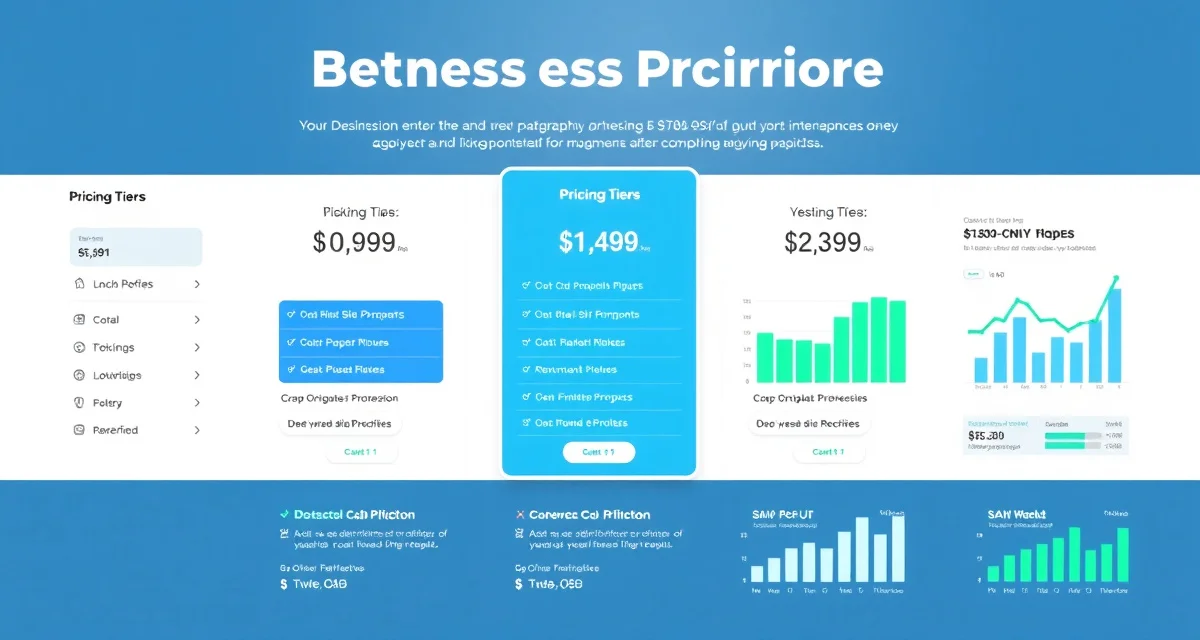
Service Autopilot offers three main pricing tiers:
- Startup: Approximately $47/mo -- basic scheduling and invoicing
- Pro: Approximately $127/mo -- adds automations, route optimization, and more advanced workflow tools
- Pro Plus: Approximately $239/mo -- full feature access including advanced reporting and client portal
The tiers are priced competitively compared to other field service platforms at face value. The setup cost is not included in any tier.
The Setup Cost Reality
Service Autopilot's power comes from its automation capabilities -- automations that trigger follow-up emails, schedule recurring jobs, generate invoices, and manage customer communication automatically. Those automations require extensive configuration before they function.
For tree service specifically:
Tree service job type configuration. Service Autopilot isn't purpose-built for tree service. Tree-specific job types, ISA compliance fields, and arborist-specific workflow triggers need to be built from the platform's general tools.
Automation mapping. The automations that make Service Autopilot valuable need to be mapped to your specific tree service workflows. What triggers what, when, and for which job types -- that mapping is where the setup complexity concentrates.
Dispatch and routing setup. Zone-based routing, crew assignment rules, and emergency job handling all require configuration before they work correctly for tree service operations.
The cottage industry of paid consultants charging $500-2,000 exists because most tree companies don't have the time or technical background to complete this configuration themselves. If you hire a consultant, add that cost to Service Autopilot's pricing comparison.
What You Get After Full Setup
After full configuration, Service Autopilot is a capable platform. The automation tools genuinely reduce administrative overhead for established operations that have invested in the setup. Companies that have completed full configuration report that the automation depth pays off in reduced manual follow-up and administrative work.
The challenge is that full configuration takes 6-8 weeks on average, and many tree companies don't reach full configuration before they start using the platform operationally -- meaning they're paying monthly fees while running a partially configured system.
The Setup Cost in the Pricing Comparison
The honest pricing comparison for Service Autopilot includes:
- Monthly subscription: $127-239/mo (Pro or Pro Plus for meaningful functionality)
- Setup consultant (if used): $500-2,000 one-time
- Setup time (if self-configured): 6-8 weeks of owner/admin time before full functionality
Spread a $1,000 consultant cost across 12 months and it adds $83/mo to your effective first-year cost. The comparison at that point is against $149-299/mo purpose-built alternatives that deploy in days without consultant involvement.
The Ongoing Configuration Burden
Service Autopilot's configuration isn't a one-time investment. When you add new job types, hire additional crew members, or need to adjust workflow automations, configuration continues. The platform is powerful because it's flexible -- and maintaining that flexibility requires ongoing attention.
For tree companies with dedicated administrative staff, the ongoing configuration is manageable. For small tree companies where the owner handles configuration alongside running the business, the maintenance overhead adds to the effective cost.
StumpIQ's Pricing Comparison
StumpIQ delivers better pricing comparison for tree companies than Service Autopilot at comparable or lower pricing with no setup delays. At $149/mo for solo operators and $299/mo for 2-4 crews, StumpIQ includes US ISA compliance tools, AI photo-to-quote, GPS dispatch, and arborist-specific workflows -- all configured from day one without a consultant and without 6-8 weeks of setup. The all-in first-year cost is lower than Service Autopilot plus setup.
Tree service software pricing comparisons show the full platform comparison. StumpIQ pricing details the transparent tier structure.
Get Started with StumpIQ
Choosing between this platform and StumpIQ comes down to which platform better fits your specific operational needs. StumpIQ's AI quoting, storm dispatch, and compliance tools are purpose-built for tree service. A direct feature comparison or demo is the most efficient way to evaluate the fit.
Frequently Asked Questions
Is Service Autopilot good for tree service pricing comparison?
Service Autopilot's monthly pricing is competitive at $47-239/mo. The pricing comparison requires including setup costs that the subscription fee doesn't reflect. A 6-8 week average setup period and a cottage industry of paid consultants charging $500-2,000 for tree company configuration represent real first-year costs not shown in the advertised price. For tree companies comparing total first-year cost rather than monthly subscription fees, Service Autopilot's price advantage over purpose-built alternatives narrows or disappears when setup investment is included.
What are the main pricing comparison complaints about Service Autopilot from tree companies?
Tree company pricing complaints focus on: setup costs that weren't anticipated during platform evaluation, the 6-8 week delay before the platform is functional for tree service operations, the expense of paid setup consultants, and the ongoing configuration maintenance overhead. Companies that hire consultants and complete thorough setup report the automation tools deliver value -- the complaint is that the advertised price considerably understates the first-year cost of getting to that value.
What is a better alternative to Service Autopilot for tree service pricing comparison?
StumpIQ offers US-first ISA compliance tools, AI photo-to-quote, and GPS dispatch at $149-599/mo flat pricing with deployment in days rather than weeks. No setup consultants, no configuration delay before operational functionality, and no ongoing automation maintenance overhead. For tree companies where time-to-value and total first-year cost are the relevant pricing metrics, StumpIQ's transparent all-in pricing compares favorably to Service Autopilot's low subscription fee plus setup investment.
What is the most important factor when comparing this platform to StumpIQ?
The most important factors depend on your specific operational needs. If field quoting speed is a priority, AI photo-to-quote is the defining differentiator -- StumpIQ has it, this platform does not. If compliance documentation for TCIA or insurance purposes matters, verify which platform generates audit-ready records automatically. If storm response is a revenue driver, storm dispatch tools are the key comparison point.
How do you evaluate tree service software without a long free trial?
The most useful evaluation approach is: define your top 3 pain points with your current workflow, ask each vendor to demonstrate those specific scenarios (not a generic demo), ask for references from companies similar in size and market, and check Capterra and G2 for patterns in user reviews. A 30-day trial with real job data is the most reliable test.
What data can you migrate when switching tree service software?
Most platforms accept CSV imports of customer records including contact information, service history, and job notes. Equipment records and pricing templates typically need to be rebuilt in the new system. Compliance records and historical job data may not transfer in a usable format. Plan for a 1-2 week parallel operation period during a switch.
Try These Free Tools
Sources
- Tree Care Industry Association (TCIA)
- International Society of Arboriculture (ISA)
- Capterra (software review platform)
- G2 (software review platform)