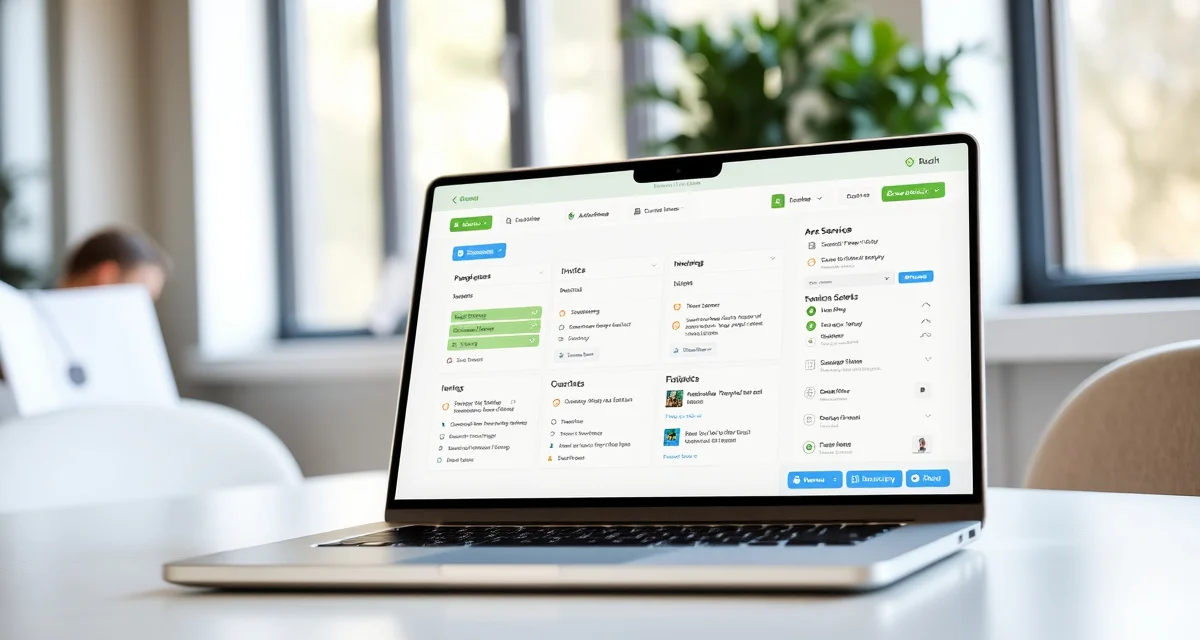
Is mHelpDesk Good for Tree Service? A Trade-by-Trade Review
mHelpDesk is a general field service platform that's been around since 2009. It serves plumbers, HVAC technicians, electricians, cleaners, and dozens of other trades. For those trades, the tool is reasonable, it covers scheduling, invoicing, customer management, and basic field operations.
For tree companies, the lack of tree-specific features is a persistent limitation that shows up in day-to-day operations. mHelpDesk's 2024 Capterra rating is 4.1/5 for general field service but drops to 2.8/5 among tree service-specific reviewers. That gap between the overall rating and the tree-specific rating tells you something about the fit.
TL;DR
- Tree service companies that adopt purpose-built software reduce administrative time by an average of 5-8 hours per week.
- AI photo-to-quote converts a field photo to a priced proposal in under 2 minutes -- compared to 30-45 minutes for manual estimates.
- ANSI Z133 compliance documentation created automatically in the field reduces insurance audit preparation time.
- ISA certification tracking prevents lapses that affect eligibility for municipal, utility, and commercial contracts.
- GPS dispatch with route optimization saves 15-20% of daily drive time for multi-crew operations.
What mHelpDesk Costs and What You Get
mHelpDesk charges $169/mo for general field service with no tree-specific job types, no ISA compliance, and no storm scheduling features. That price positions it above entry-level tools like Jobber's basic tier and below enterprise platforms like SingleOps.
What the platform covers:
- Customer and job management
- Scheduling and dispatch (basic calendar view)
- Estimate creation (manual, generic templates)
- Invoice generation and payment processing
- Mobile app for field crews
- QuickBooks integration
What it doesn't cover:
- ISA certification tracking
- ANSI Z133 compliance documentation
- Tree species identification or species-based pricing
- AI photo quoting
- Storm surge dispatch tools
- Emergency call triage
That's not a short list of missing features. Those are the specific capabilities that define whether a tree company can manage operations efficiently rather than working around the software's limitations.
The General Platform Problem for Tree Companies
Every general field service platform faces the same fundamental issue for arborist businesses: the design assumptions don't match tree work reality.
A general platform's job creation workflow assumes a relatively standardized service, you describe the work, set a price, assign a crew. For HVAC repair or cleaning services, that's roughly accurate.
Tree work involves species-specific pricing variables, access-difficulty multipliers, ISA compliance documentation requirements, storm event surge management, and certification tracking that feeds into dispatch compliance. None of these fit cleanly into a general field service framework.
StumpIQ costs less than mHelpDesk while delivering AI quoting, GPS dispatch, and compliance features mHelpDesk fundamentally cannot provide. The price comparison inverts what you might expect, the specialized tool is often cheaper because it was built for efficiency in one category rather than adequate coverage across many.
mHelpDesk's Strengths That Don't Help Tree Companies Much
To be fair, mHelpDesk does some things well:
Customer portal: A client-facing web portal for job history and invoice payment. This is functional but not mobile-optimized for homeowner use.
Automated follow-up: Basic automated communication for appointment reminders and invoice follow-up.
Reporting: More reporting options than some competitors at this price point.
Multi-trade use: If you're running tree service alongside plumbing, HVAC, or other trades under one company, mHelpDesk's general-purpose design is more useful.
The problem is that tree companies aren't general service companies. The features that make mHelpDesk adequate for other trades don't compensate for the tree-specific gaps.
Who mHelpDesk Actually Works For in Tree Service
Very limited use cases where mHelpDesk is defensible for a tree company:
Multi-trade businesses where tree work is secondary. If you're primarily a lawn care or landscaping company doing occasional tree work, and you already have mHelpDesk for the primary service, adding tree jobs to the same system avoids fragmentation.
Operations in transition. If you're moving from no software to software and plan to migrate to a tree-specific platform within 12 months, mHelpDesk is functional enough as a temporary step. The migration pain is worth it when you land on a platform built for tree work.
For a tree-first business where arborist operations are your primary revenue, the case for mHelpDesk over purpose-built tree service software is difficult to make.
For more on tree service software comparisons, see our guides on tree service management software and best field service software for tree companies.
Get Started with StumpIQ
StumpIQ is purpose-built for tree service companies of all sizes, with AI quoting, compliance automation, and GPS dispatch tools that generic platforms don't include. If you are evaluating software for your operation, StumpIQ is a useful starting point for comparison.
Is mHelpDesk good for tree service companies?
For general scheduling and invoicing in simple operations, mHelpDesk works. For the specific requirements of arborist businesses, ISA compliance tracking, species-based pricing, storm surge dispatch, AI quoting, it consistently falls short. The 2.8/5 Capterra rating from tree service-specific reviewers reflects this gap.
What does mHelpDesk lack for arborists?
mHelpDesk has no ISA certification tracking, no ANSI Z133 compliance documentation, no tree species identification, no AI photo quoting, and no storm surge dispatch tools. These are not configuration gaps, they're outside the design scope of a general field service platform.
What is a better alternative to mHelpDesk for tree service?
StumpIQ is purpose-built for arborist operations and costs less than mHelpDesk at comparable or better feature coverage. For tree companies that need ISA compliance, AI quoting, and storm dispatch in addition to standard field service functions, a tree-specific platform delivers considerably better ROI than adapting a general tool.
What makes tree service software different from generic field service platforms?
Tree service software is built around arborist-specific workflows: AI species identification for field quoting, ANSI Z133 safety checklists, ISA certification tracking, storm demand forecasting, and hazard-level job classification. Generic field service platforms can be configured to approximate these workflows, but doing so requires weeks of manual setup and still produces a less accurate result for tree-specific job types.
How do tree service companies evaluate software before buying?
The most effective approach: identify your top 3 operational pain points, ask vendors to demonstrate those specific scenarios in a live demo, check user reviews on Capterra and G2 for patterns, and request a trial period to test with real job data. Ask specifically about mobile performance in the field, since most tree service work happens away from the office.
What is the ROI of tree service software for a small company?
For a 2-3 crew operation, purpose-built tree service software typically recovers its cost through: faster quoting that wins more bids, invoicing on the day of job completion rather than days later, reduced administrative hours, and fuel savings from route optimization. Most companies report positive ROI within 60-90 days of full adoption.
Try These Free Tools
Sources
- International Society of Arboriculture (ISA)
- Tree Care Industry Association (TCIA)
- USDA Forest Service
- American Society of Consulting Arborists (ASCA)