Oahu Tree Works

Tree Service Company in Haleiwa, Hawaii
4.5(21 reviews)
(808) 366-3161, Haleiwa, HI 96712View on Yelp
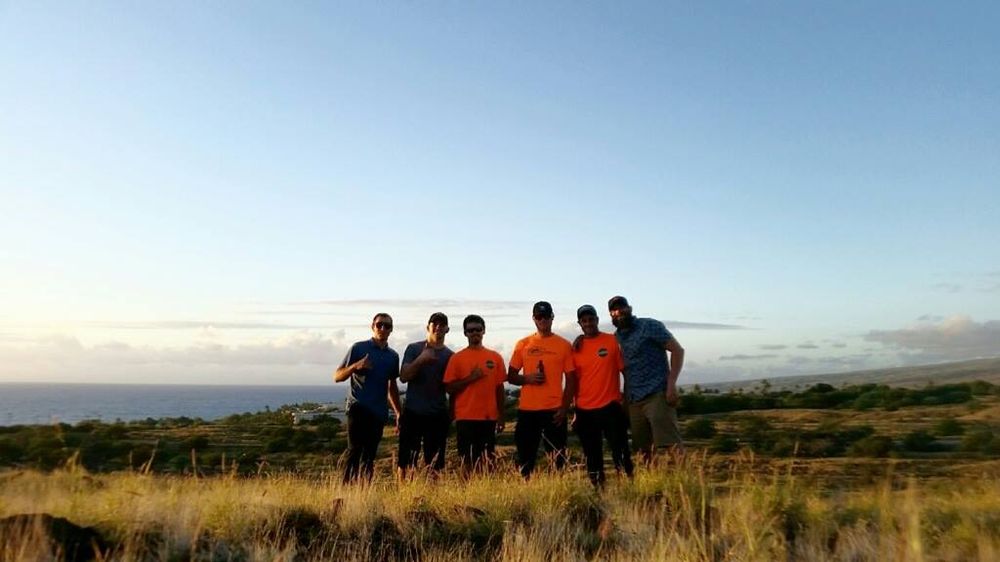
Oahu Tree Works - tree service in Haleiwa, HI

Customer Reviews

4.5
out of 5
21 reviews

Based on Yelp ratings

Read reviews on Yelp

About Oahu Tree Works

Oahu Tree Works is based in Haleiwa on the North Shore, one of the most scenically distinct communities on the island. With a 4.5 rating from 21 reviewers, they've built a solid reputation among homeowners and property owners in an area where large tropical trees, agricultural land, and coastal properties all require different approaches. The North Shore sees significant rainfall and intense seasonal surf activity, both of which affect tree stability and growth. Having a local crew that knows this stretch of Oahu makes a real difference.

Services

Tree Services

Services & Process

Oahu Tree Works provides tree removal, trimming, and pruning services suited to the North Shore's diverse landscape of residential yards, farm properties, and commercial lots near Kamehameha Highway. Their work often involves large shade trees common to the area, including banyan, monkeypod, and mango trees that can spread aggressively over structures. They handle debris removal after the job and can assess tree health for signs of disease or pest damage. Storm response work is also part of their regular scope given North Shore weather patterns.

Service Area

Oahu Tree Works serves Haleiwa and the broader North Shore corridor, including Waialua, Pupukea, Sunset Beach, and Kahuku. They're also available to property owners on the way to Turtle Bay and along the inland agricultural areas near Waialua. Their familiarity with North Shore roads and property types makes scheduling straightforward.

Frequently Asked Questions

Can you remove large banyan or monkeypod trees common on North Shore properties?
Yes, large hardwood trees like banyan and monkeypod are among the more complex removals because of their expansive root systems and heavy canopies. These jobs require proper rigging, sectional cutting, and sometimes a crane depending on proximity to structures or fences. Make sure you ask about equipment and experience with large-canopy trees specifically when getting quotes.
Does heavy North Shore rainfall affect when tree work can be scheduled?
Rain can delay work, especially when it makes slopes or ground conditions unsafe for equipment and crew. Most companies schedule around rain when possible, but Hawaii's weather can be unpredictable, so some flexibility in your timeline is helpful. That said, many jobs on dry days or after the ground firms up can proceed without issues.
I have a mango tree dropping fruit near my roof. Can you trim it back safely?
Fruit trees near structures are a very common request on Oahu, and trimming a mango to reduce overhang is straightforward work for an experienced crew. The goal is to remove the branches causing the problem while keeping the tree healthy and productive. Timing your trim after harvest season is usually the smartest approach so you don't lose a crop.
What's the difference between trimming and pruning?
Trimming typically refers to cutting back overgrown branches to manage size and shape, while pruning is more targeted and focused on tree health, removing dead, diseased, or crossing branches to improve structure. Both have their place depending on what your tree actually needs. A good tree service will assess the situation and recommend the right approach rather than defaulting to one or the other.
Are there trees on the North Shore that are protected by county ordinance?
Honolulu County does protect certain heritage and exceptional trees, and some properties near conservation land or special management areas have additional restrictions. Banyan trees in particular are sometimes subject to additional review before removal. It's always worth checking with your tree service and potentially the city before cutting down a large established tree.
How do I know if a tree on my property is actually dangerous?
Warning signs include visible cracks in the trunk, large dead branches hanging in the canopy, roots that are heaving out of the ground, or a noticeable lean that wasn't there before. Fungal growth at the base of a tree is another red flag that internal decay may be present. A professional assessment is the safest way to get an honest answer rather than guessing.

Is this your business?

Claim your listing to update your info and connect with customers.

Claim This Listing

More Tree Service Companies