Arborist View Tree Care

Tree Service Company in Menlo Park, California
4.9(52 reviews)
(650) 380-2297, Menlo Park, CA 94025View on Yelp
Arborist View Tree Care - tree service in Menlo Park, CA

Customer Reviews

4.9
out of 5
52 reviews

Based on Yelp ratings

Read reviews on Yelp

About Arborist View Tree Care

Arborist View Tree Care operates in Menlo Park, one of the wealthier communities on the San Francisco Peninsula, where mature oak trees, large estates, and proximity to Stanford University create a distinctive tree care environment. They've earned a 4.9 rating across 52 reviews, which reflects a high level of sustained quality over a meaningful number of jobs. Properties in Menlo Park often include heritage oaks and specimen trees that require knowledgeable, careful handling rather than just a crew with chainsaws. This is the kind of provider that fits that expectation.

Services

Tree Services

Services & Process

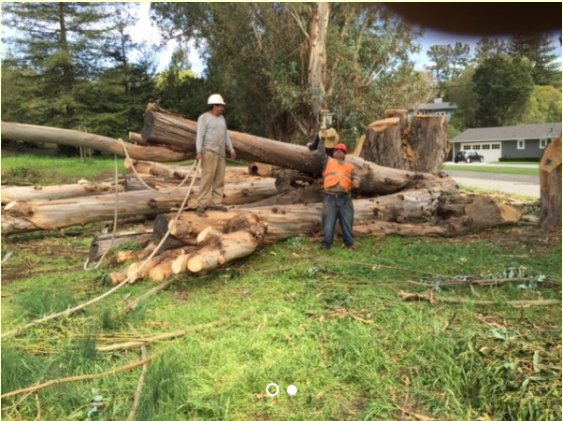
Arborist View Tree Care provides tree trimming, structural pruning, tree removal, and stump grinding for Menlo Park and surrounding Peninsula communities. Structural pruning, in particular, is important for young trees being established in new landscapes, setting up proper branch architecture before bad habits develop. For larger established trees, they assess load distribution and deadwood to reduce failure risk without compromising the tree's form. They also advise on tree health issues, including soil conditions and irrigation practices that affect long-term tree vitality.

Service Area

Arborist View Tree Care serves Menlo Park and the surrounding Peninsula communities including Palo Alto, Atherton, Portola Valley, and Redwood City. Their service area covers much of the mid to lower Peninsula, making them accessible to a wide range of residential and commercial customers in San Mateo and northern Santa Clara counties.

Frequently Asked Questions

What is the difference between a tree trimmer and a certified arborist?
A certified arborist has passed an examination through the International Society of Arboriculture and understands tree biology, proper pruning technique, and tree risk assessment. A tree trimmer may be skilled with equipment but doesn't necessarily have that formal training. For valuable trees or complex situations, working with a certified arborist is worth the additional consideration.
Are there protected oak trees in Menlo Park that require permits before work is done?
Yes. Menlo Park has tree protection ordinances that apply to native oaks and other significant trees above certain size thresholds. Removing or significantly pruning a protected tree without approval can result in fines. A local arborist familiar with the city's requirements can help you determine what applies to your property.
How do I protect an oak tree during a construction or landscaping project?
Oaks are sensitive to soil compaction, grade changes, and root disturbance. Before any project starts near an oak, establishing a protection zone and consulting with an arborist can prevent long-term damage that might not show up for years. Trenching through root zones and changing drainage patterns are among the most common causes of post-construction tree decline.
What is structural pruning and why does it matter for young trees?
Structural pruning guides a young tree's growth by removing competing leaders, weak branch attachments, and crossing branches before they become problems. Trees that receive this care early develop stronger architecture and are less likely to fail in wind or under the weight of their own canopy as they mature.
How often do mature trees need professional maintenance?
Most mature trees benefit from inspection and any needed pruning every three to five years, though trees near structures or with known health issues warrant more frequent attention. Annual inspections are a good habit for high-value specimen trees or any tree where failure would cause significant property damage.
Can I replant in the same spot after a tree is removed?
Generally yes, but it's worth considering the reasons the original tree was removed. If disease or pest damage was involved, allowing some time before replanting reduces the risk to the new tree. Stump grinding to adequate depth also ensures the old root mass won't interfere with new planting or compete for nutrients.

Is this your business?

Claim your listing to update your info and connect with customers.

Claim This Listing

More Tree Service Companies